
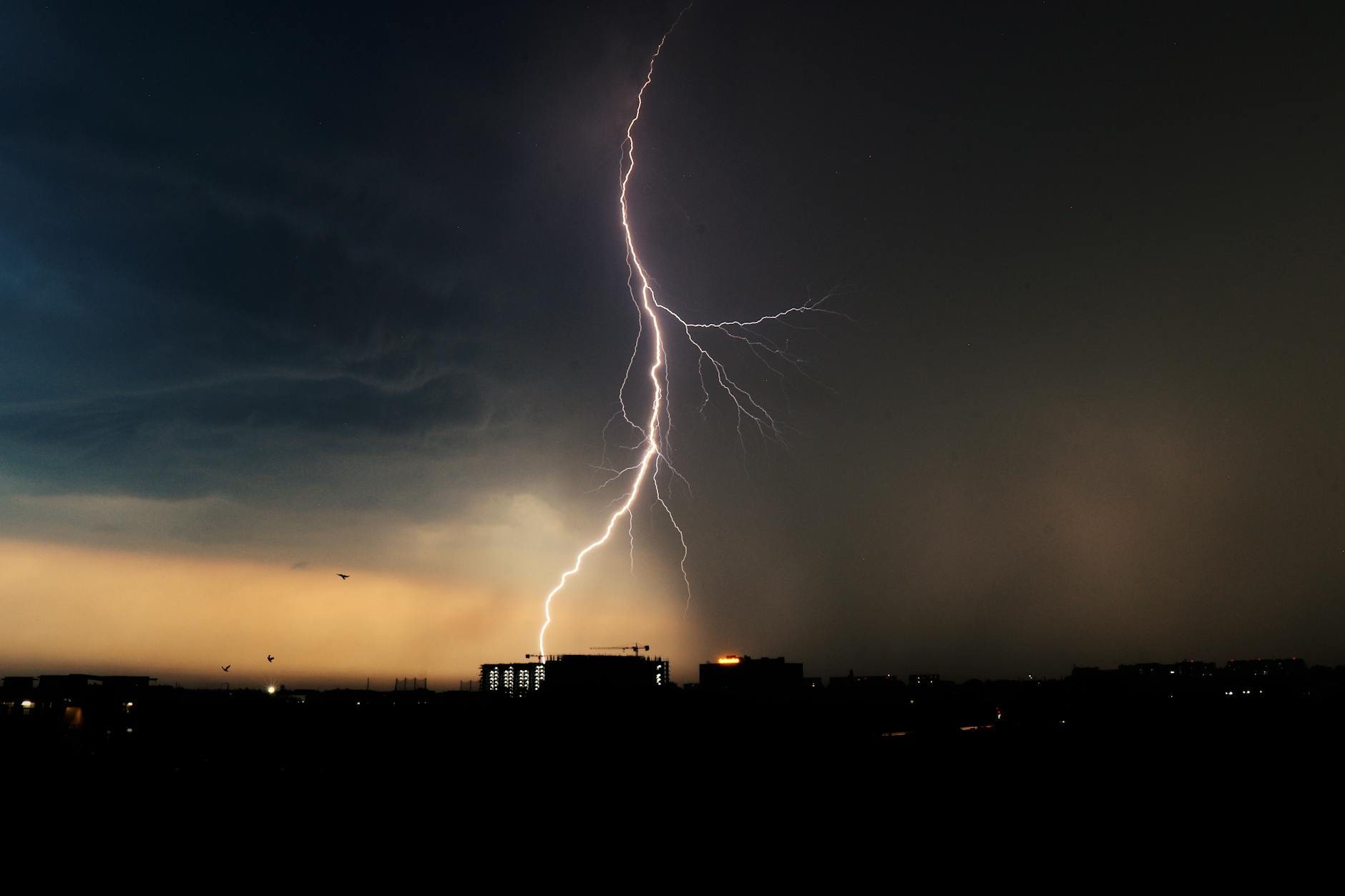
This phrase is famous worldwide and comes from the German philosopher Friedrich Nietzsche. But what does it actually mean when “something tries to kill us” and fails?
In psychology, such experiences are referred to as Potentially Traumatic Events (PTEs). Exposure to these events is also the first criterion for diagnosing Post-Traumatic Stress Disorder (PTSD). So, does this mean that what doesn’t kill us… actually cause PTSD?
The reality is more complex.
Exposure to traumatic events is associated with an increased risk of developing psychiatric disorders. In some cases, the effects may even extend beyond the individual, contributing to what is known as intergenerational trauma, where future generations experience trauma-related symptoms without direct exposure. The mechanisms behind this are still not fully understood.
However, the majority of people are resilient. Many do not develop clinical symptoms, and some recover naturally over time.
At the same time, not everyone responds in the same way to the same experience. Individual differences play a significant role in shaping how we react to stress and adversity.
So what really makes us stronger?
Research points to several protective factors: a secure attachment style, a sense of self-efficacy, coping strategies based on problem-solving, optimism, and strong social support. Additionally, having a flexible and nuanced view of life, along with a sense of control during stressful events, especially if this sense of control has been experienced before, can make a meaningful difference.
In this sense, it is not the trauma itself that makes us stronger, but the resources we have to navigate it.
But what if we were not so “lucky” in the lottery of these life factors?
Some individuals have a higher sensitivity to stress due to personal and environmental influences and may also face more challenging life circumstances. For them, support becomes especially important.
There are several pathways that can help. Psychotherapy is one of the most effective ways to process and heal from trauma. Social support from friends, family, or support groups can provide stability and connection. For some, spirituality or a broader sense of meaning, whether religious or not, can also play a valuable role.
While we cannot always choose what happens to us, there are ways to strengthen our inner resources and build the support we need and seek help when necessary.
References
- Eyal-Hoffman, A., & Weinberg, M. (2025). The relationships between spirituality, tendency to forgive, social support, and posttraumatic stress disorder symptoms and stress among female survivors of sexual assault. Violence and Victims. Advance online publication. https://doi.org/10.1891/VV-2022-0220
- Field, T. A., White, D. B., Davis, J., Park, J. S., & Pierson, J. L. (2024). Scoping review of spirituality-integrated psychotherapies for posttraumatic stress disorder. Spirituality in Clinical Practice, 11(3), 203–221. https://doi.org/10.1037/scp0000335
- Galatzer-Levy, I. R., Huang, S. H., & Bonanno, G. A. (2018). Trajectories of resilience and dysfunction following potential trauma: A review and statistical evaluation. Clinical Psychology Review, 63, 41–55. https://doi.org/10.1016/j.cpr.2018.05.008
- Georgescu, T., & Nedelcea, C. (2023). Pretrauma risk factors and posttraumatic stress disorder symptoms following subsequent exposure: Multilevel and univariate meta-analytical approaches. Clinical Psychology & Psychotherapy. Advance online publication. https://doi.org/10.1002/cpp.2912
- Hoppen, T. H., Meiser-Stedman, R., Kip, A., Birkeland, M. S., & Morina, N. (2024). The efficacy of psychological interventions for adult post-traumatic stress disorder following exposure to single versus multiple traumatic events: A meta-analysis of randomised controlled trials. The Lancet Psychiatry, 11(2), 112–122. https://doi.org/%5Binsert DOI if available]
- Lyons, N., Cooper, C., & Lloyd-Evans, B. (2021). A systematic review and meta-analysis of group peer support interventions for people experiencing mental health conditions. BMC Psychiatry, 21, Article 315. https://doi.org/10.1186/s12888-021-03321-z
- Schnyder, U., & Cloitre, M. (2022). Evidence-based treatments for trauma-related psychological disorders: A practical guide for clinicians (2nd ed.). Springer Cham. https://doi.org/10.1007/978-3-030-97802-0
- Tortella-Feliu, M., Fullana, M. A., Pérez-Vigil, A., Torres, X., Chamorro, J., Littarelli, S. A., … Fernández de la Cruz, L. (2019). Risk factors for posttraumatic stress disorder: An umbrella review of systematic reviews and meta-analyses. Neuroscience & Biobehavioral Reviews, 107, 154–165. https://doi.org/10.1016/j.neubiorev.2019.09.013
- Mineka, S., & Zinbarg, R. (2006). A contemporary learning theory perspective on the etiology of anxiety disorders. American Psychologist, 61(1), 10–26.